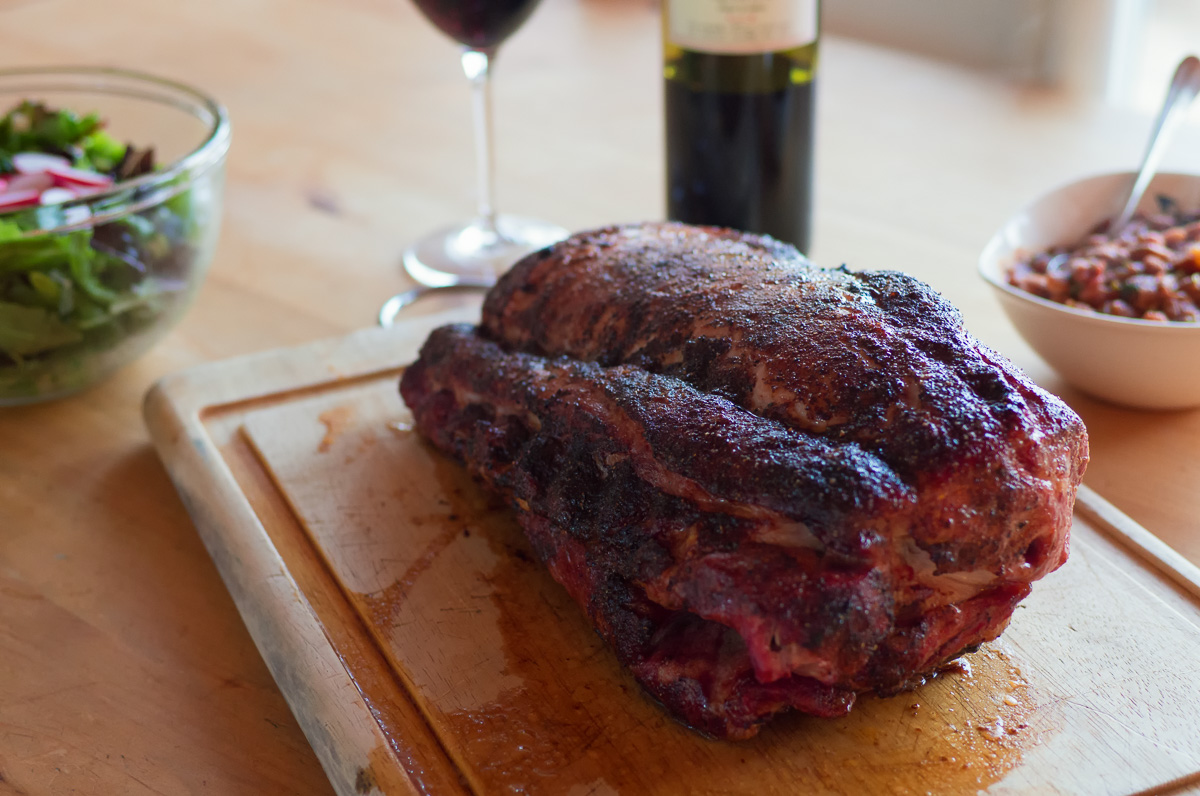
Dry Brining Pork: The Secret to Tender, Flavorful Meat Every Time
Imagine a pork roast so incredibly tender it practically melts in your mouth, bursting with deep, savory flavor right to the core. This isn't just a culinary dream; it's an achievable reality with the simple yet transformative technique of dry brining. Forget bland, dry pork. Embracing
dry brined pork roast is your ticket to consistently moist, exquisitely seasoned results that will impress even the most discerning palates. It’s an easy way to elevate your home cooking and guarantee a show-stopping meal, whether it's a casual weeknight dinner or a festive gathering.
Unlocking Flavor and Moisture with Dry Brining
The concept of dry brining, famously pioneered by culinary icon Judy Rogers of Zuni Cafe, is remarkably straightforward, yet profoundly effective. Unlike traditional wet brining, which involves submerging meat in a saltwater solution, dry brining simply requires sprinkling the meat's surface with salt. This method sidesteps the potential drawback of wet brining, which can sometimes lead to a slightly "hammy" or spongy texture. With dry brining, you get all the benefits of enhanced moisture and deep seasoning without compromising the natural integrity of the meat.
So, how does this magic happen? When salt is applied to the surface of the pork, it initially draws out moisture through osmosis. This moisture then dissolves the salt, creating a concentrated brine on the surface of the meat. Over time, this saline solution is reabsorbed into the meat, carrying the salt deep into the muscle fibers. This process not only seasons the pork internally but also alters its protein structure, enabling the meat to retain significantly more moisture during cooking. The result is a truly juicy and exceptionally flavorful
dry brined pork roast that stands head and shoulders above its unbrined counterparts.
The beauty of dry brining is its simplicity. For every 5 pounds of pork, you'll need approximately 1 tablespoon of kosher salt. Kosher salt is preferred due to its larger crystal size, which makes it easier to distribute evenly and less likely to oversalt the meat compared to finer table salt. Once coated, place your pork in a large sealable bag – a sturdy Ziploc or even a couple of overlapping grocery store bags will do the trick if the roast is sizable – and refrigerate. For a deeper dive into optimizing your dry brining technique, check out
Unlock Juicy Flavor: Your Guide to Dry Brining Pork Roast.
The Art of Patience: Planning Your Dry Brine
The most crucial element of successful dry brining is time. The salt needs sufficient time to penetrate the meat thoroughly. A good rule of thumb to remember is that salt penetrates at a rate of roughly 1 inch per day. This means if you have a substantial pork roast, you'll need to plan ahead. For example, a 4-inch thick roast would benefit from a 3-4 day brining period. During this time, it’s advisable to turn the meat every 12-24 hours to ensure even exposure and absorption.
While patience yields the best results, don't fret if your schedule doesn't permit a multi-day brine. Even a shorter brining period (12-24 hours) will make a noticeable difference in flavor and moisture. And if you're truly short on time, simply season your pork generously as you normally would, as close to cooking time as possible. As any barbecue enthusiast knows, some flavor is always better than none!
This technique isn't just for pork, either. It’s absolutely phenomenal for your holiday turkey. Dry brining a turkey transforms it into the most succulent, flavorful bird your guests have ever tasted, virtually guaranteeing your status as a Thanksgiving superstar!
Cooking Your Perfectly Dry Brined Pork Roast
Once your pork is perfectly dry brined, the next step is cooking it to perfection. The goal is often indirect heat, allowing the meat to cook evenly without scorching the exterior.
Rotisserie Roasting: The Gold Standard
Spit roasting, especially over charcoal, imparts an incredible depth of smoky flavor that perfectly complements the rich taste of
dry brined pork roast. If you have a rotisserie attachment for your grill, now is the time to use it.
*
Charcoal Grills (e.g., Weber Kettle): Set up your coals on either side of the kettle, leaving the center clear for the rotisserie rod. Place a drip pan directly beneath the meat to catch drippings and prevent flare-ups. This setup ensures indirect heat surrounds the roast, cooking it gently and evenly while basting itself as it turns. If you own a Weber Kettle and haven't invested in the rotisserie ring, you're truly missing out on a fantastic, long-lasting accessory!
*
Gas Grills: If using a gas grill, you'll want to utilize a burner along the back of the grill for indirect heat, ensuring no direct flames come from below the pork. To infuse that desirable smoky flavor that charcoal provides naturally, add wood chips (soaked, then wrapped in tinfoil with holes) directly over a lit burner or in a smoker box. Again, a drip pan is crucial under the meat to prevent grease fires and collect flavorful juices.
Oven Roasting: A Versatile Alternative
Not everyone has access to a smoker or a grill, but that doesn't mean you can't achieve a fantastic dry brined pork roast. Oven roasting is a perfectly viable and delicious option, proving just how versatile this dry brining technique truly is. Simply preheat your oven to 350°F (175°C) and roast your brined pork loin. For a typical 2-3 pound roast, this might take around 90 minutes, or until the internal temperature reaches 145°F (63°C) for medium-rare, or 160°F (71°C) for medium. Always allow the roast to rest for 10-15 minutes after cooking to redistribute juices, ensuring maximum tenderness. Whether you're using a rotisserie or your oven, mastering the cooking process is key. Learn more at
Rotisserie & Oven: Master the Dry Brined Pork Loin Roast.
Maximizing Value: Buying in Bulk and Delightful Leftovers
Dry brining isn't just about superior flavor; it's also about smart cooking and getting the most out of your groceries. Buying a whole pork loin in a cryovac pack, often found at warehouse clubs or larger supermarkets, is incredibly budget-friendly. From a single large loin, which might cost around $20, you can easily yield two small roasts and half a dozen thick-cut chops. This provides enough meat for 4-5 meals, making it a truly economical choice for families.
And the best part? The leftovers from a
dry brined pork roast are nothing short of spectacular. This meat makes for incredible cold cuts, perfect for crafting gourmet sandwiches and wraps. But don't stop there! Think outside the lunchbox. Leftover dry brined pork loin can be lightly pan-fried in butter and served with eggs for a decadent breakfast or brunch. Imagine it atop fried sourdough bread with a fried egg and a side of pan-fried tomatoes, perhaps with a dollop of sriracha sour cream for an extra kick – a truly restaurant-worthy meal created from simple leftovers. The possibilities are endless, ensuring every morsel of your perfectly seasoned pork is savored.
Conclusion
Dry brining is more than just a technique; it's a game-changer for anyone aspiring to cook truly outstanding pork. By investing a little time and applying a simple salt treatment, you unlock a depth of flavor and unparalleled tenderness that transforms an ordinary cut into an extraordinary culinary experience. Whether you're spit-roasting over an open flame for that authentic summer vibe or oven-roasting for a comforting meal, the secret to a consistently moist and profoundly flavorful
dry brined pork roast lies in this easy yet incredibly effective method. Try it once, and you'll understand why it's the secret weapon of home cooks and professional chefs alike. Your taste buds, and your guests, will thank you.