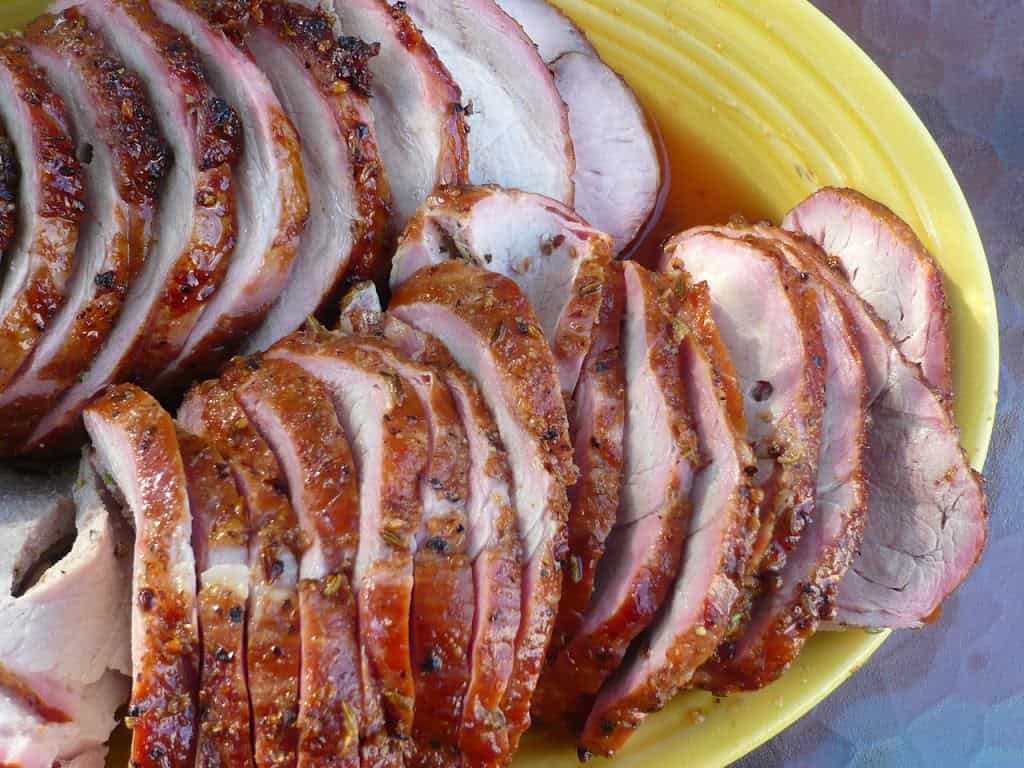
Rotisserie & Oven: Master the Dry Brined Pork Loin Roast for Unforgettable Flavor
Imagine a pork roast so consistently moist, so infused with savory flavor, and so tender it practically melts in your mouth. This isn't just a culinary fantasy; it's the delicious reality you achieve by mastering the art of the dry brined pork roast. Whether you prefer the smoky kiss of a rotisserie or the steady comfort of an oven, dry brining is the secret weapon that elevates a good meal to an extraordinary one. Prepare to transform your pork loin into a juicy, flavorful masterpiece that will have everyone asking for seconds, perfect for a casual summer dinner or a special holiday feast.The Magic of Dry Brining: Unlocking Unrivaled Flavor and Juiciness
At the heart of an exceptional pork roast lies a technique that's surprisingly simple yet incredibly effective: dry brining. This method is a game-changer for achieving succulent, seasoned meat without the drawbacks often associated with traditional wet brining.What is Dry Brining and Why Does it Work?
Dry brining, famously championed by culinary innovators like Judy Rogers of Zuni Cafe, involves nothing more than liberally salting your meat and allowing it to rest. Unlike wet brining, which submerges meat in a saltwater solution, dry brining directly applies salt to the surface. Initially, the salt draws out some moisture from the meat. However, this moisture then mixes with the salt to form a concentrated brine, which is then reabsorbed into the meat through osmosis. This process not only seasons the meat deeply from within but also helps the muscle fibers retain moisture during cooking, resulting in a noticeably juicier final product.The Irresistible Benefits of a Dry Brined Pork Roast
Choosing to dry brine your pork loin offers a multitude of advantages:- Unmatched Moisture Retention: The primary benefit is astonishingly juicy meat. The salt subtly alters the protein structure, making it harder for the meat to lose moisture when exposed to high heat.
- Deep, Even Seasoning: Salt penetrates beyond the surface, flavoring the meat uniformly. Every bite of your dry brined pork roast will be perfectly seasoned, not just the exterior.
- Superior Texture: Without the added water of wet brining, dry brined meat often develops a better, more natural texture without the slightly spongy feel some find undesirable.
- Crispier Skin/Crust: By drawing out excess surface moisture and then reabsorbing the seasoned brine, the exterior of the pork is primed for developing a beautiful, crispy crust – a hallmark of any great roast.
How to Dry Brine Your Pork Loin: A Simple Guide
The process of dry brining is straightforward and requires minimal effort, mostly just planning ahead.- Salt Application: For a pork loin, aim for approximately 1 tablespoon of kosher salt per 5 pounds of meat. Sprinkle the salt evenly over all surfaces of the pork. Kosher salt is preferred for its larger crystal size, which makes it easier to distribute without over-salting.
- Refrigeration: Place the salted pork in a large zip-top bag or wrap it tightly in plastic wrap. If using a large cut, clean grocery bags can work in a pinch. Place the pork in the refrigerator.
- The Waiting Game: Allow the pork to brine for at least 24 hours, and up to 4 days, turning it every 12-24 hours to ensure even salt distribution. A good rule of thumb is that salt penetrates at roughly 1 inch per day, so consider the thickness of your pork loin when planning your brining time for a thoroughly seasoned interior.
Master the Roast: Rotisserie vs. Oven Techniques
Once your pork loin is perfectly dry brined, it's time to cook it to perfection. Both rotisserie and oven roasting methods yield fantastic results, each offering unique advantages.The Art of Rotisserie Roasting: Smoke, Flavor, and Even Cooking
Spit roasting on a rotisserie, especially over charcoal, imparts an incredible depth of flavor and ensures exceptionally even cooking. The constant rotation allows the meat to self-baste, creating a beautifully uniform crust.Gas Grill Rotisserie Setup
If you're using a gas grill, the key to successful rotisserie cooking is indirect heat. Avoid direct heat coming up from directly below the pork. Most gas grills with a rotisserie feature a dedicated back burner – this is exactly what you want to use. Place a drip pan directly beneath the pork to catch rendered fat and juices, preventing flare-ups and making cleanup easier. To infuse that crucial smoky flavor often missed on gas grills, wrap wood chips (hickory or applewood are great for pork) in a foil packet, pierce it, and place it directly over an active burner or near the heating element.
Charcoal Grill Rotisserie Setup
For charcoal enthusiasts, a grill like a Weber Kettle with a rotisserie ring offers an unparalleled experience. Set up your charcoal briquettes on either side of the kettle, leaving the center clear for your rotisserie spit. Again, a drip pan placed in the middle, directly under the meat, is essential to collect drippings and prevent grease fires. If you have a Weber Kettle and don't own the rotisserie ring, you are truly missing out on a wonderful, durable piece of equipment that will last for decades and unlock incredible grilling possibilities.
Regardless of your grill type, aim for a consistent medium heat (around 325-350°F / 160-175°C) to allow the pork to cook slowly and evenly.
Oven Roasting Perfection: Convenience Meets Consistency
For those without outdoor grilling options or simply preferring the convenience of indoor cooking, an oven-roasted dry brined pork loin is equally delicious. This method is fantastic for apartments or bad weather days, delivering tender, juicy results with minimal fuss.After dry brining, consider applying a flavorful dry rub (like a "Smokin' Summer Spice" blend) to the exterior of your pork loin for an extra layer of taste. Preheat your oven to 350°F (175°C). Place the pork loin on a rack set inside a roasting pan. Roast for approximately 60-90 minutes, depending on the thickness of your loin. The most important factor is internal temperature. For a perfectly cooked, juicy pork loin, aim for an internal temperature of 145°F (63°C), measured at the thickest part of the meat. This will yield a slightly pink, incredibly tender result. Always allow the roast to rest for 10-15 minutes after removing it from the oven to allow the juices to redistribute, ensuring maximum succulence.
Beyond the Roast: Savory Sides and Creative Leftovers
A magnificent dry brined pork roast deserves equally delightful accompaniments and offers fantastic opportunities for creative leftover meals.Serving Suggestions for Your Masterpiece
While this dish screams "summer time" when paired with a fresh green salad and a hearty bean recipe (pintos or white beans are lovely), its versatility means it's perfect year-round. Consider serving it alongside roasted root vegetables in the fall or a vibrant quinoa salad in the spring. A simple pan sauce made from the collected drippings (if oven roasting) or a tangy chimichurri can elevate the experience even further.
The Joy and Economy of Leftovers
One of the true joys of preparing a large dry brined pork roast is the abundance of delicious leftovers. Buying a whole pork loin in a cryovac pack is incredibly budget-friendly; you can typically get two small roasts and several thick-cut chops for the price of one, providing multiple meals. These leftovers are incredibly versatile:
- Fantastic Cold Cuts: Thinly sliced pork loin makes for exquisite sandwiches and wraps. Pair it with sharp cheddar, crisp lettuce, and a touch of mustard or mayo for a gourmet experience.
- Breakfast Hero: Don't underestimate pork loin for breakfast! Treat it like any other breakfast meat. Lightly fry slices in butter and serve with eggs, perhaps on toasted sourdough bread with fried tomatoes. A dollop of sriracha sour cream adds an irresistible kick to this morning feast.
- Quick Dinners: Dice the pork and add it to stir-fries, quesadillas, or even a hearty soup. Its pre-cooked, seasoned nature drastically cuts down on meal prep time.
