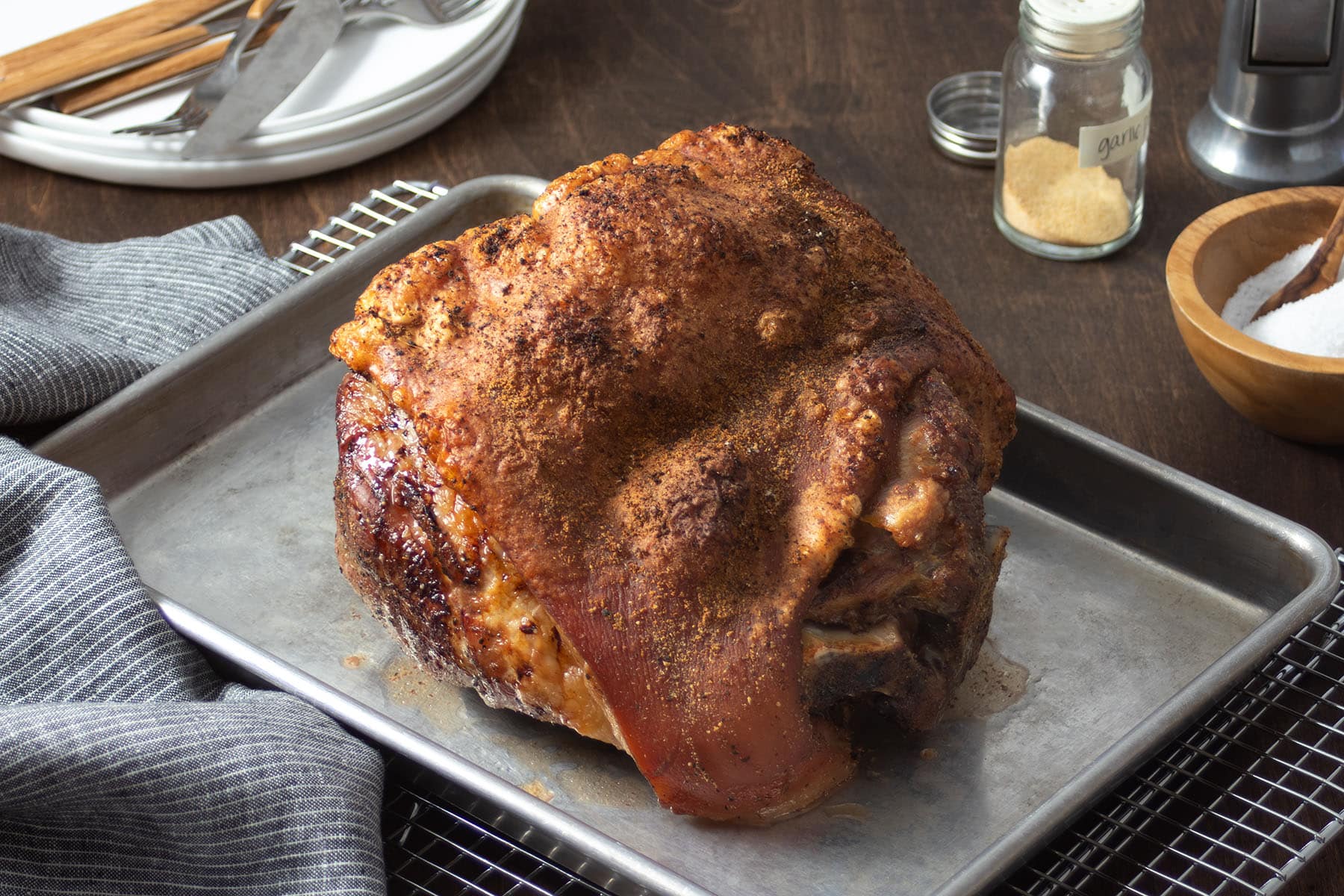
Unlock Juicy Flavor: Your Guide to Dry Brining Pork Roast
Imagine a pork roast so incredibly tender, so bursting with savory flavor, and so impossibly moist that every bite melts in your mouth. For too long, home cooks have grappled with dry, uninspired pork, but there's a simple, game-changing technique that consistently delivers perfection: dry brining. Forget complicated marinades or messy wet brines; dry brining is an easy, elegant path to a "killer pork roast" that will impress even the most discerning palates. Whether you're planning a casual summer dinner or a grand holiday feast, mastering the dry brined pork roast will elevate your culinary game and ensure succulent results every single time.
Why Dry Brine Your Pork Roast? The Science of Superior Flavor and Moisture
Dry brining isn't just a trend; it's a time-tested technique championed by culinary legends like Judy Rogers of Zuni Cafe. At its core, dry brining is the application of salt directly to the surface of the meat, setting in motion a fascinating scientific process that yields unparalleled juiciness and flavor.
Unlike traditional wet brining, which submerges meat in a salty liquid, dry brining avoids the pitfall of an odd, "hammy" texture that can sometimes result from over-absorption of water. Instead, the magic happens in layers:
1.
Surface Moisture Extraction: When kosher salt is sprinkled on the pork, it acts as a dehydrator, drawing out moisture from the surface of the meat through osmosis.
2.
Brine Formation: This extracted moisture dissolves the salt, creating a concentrated, super-salty liquid right on the meat's surface. This is effectively a self-made brine.
3.
Flavor Penetration: Over time, the concentrated salt solution is reabsorbed by the meat. Because salt molecules are small, they penetrate deep into the muscle fibers, carrying flavor and seasoning throughout the roast, not just on the exterior.
4.
Protein Transformation: As the salt works its way in, it denatures the meat's proteins. This structural change allows the muscle fibers to hold onto moisture more effectively during cooking, preventing shrinkage and drying out. The result is a remarkably moist and tender roast.
5.
Crispy Skin Advantage: Another significant benefit of dry brining is its ability to promote incredibly crispy skin. By drawing out surface moisture and allowing it to evaporate, the skin becomes perfectly primed for rendering and crisping up during the cooking process.
The beauty of dry brining is its simplicity and profound impact. It concentrates the pork's natural flavors, enhances tenderness, and guarantees a juicy outcome, making it an indispensable technique for any aspiring chef. If you're curious about the broader applications of this technique, dive deeper into
Dry Brining Pork: The Secret to Tender, Flavorful Meat Every Time.
Mastering the Dry Brine Process: Step-by-Step
The journey to an exceptional dry brined pork roast begins with a few simple steps.
Choosing Your Pork Roast
While dry brining is fantastic for virtually any cut of pork, some popular choices include:
*
Pork Loin: A lean cut perfect for roasting, often found whole in cryovac packs. Buying a whole loin can be incredibly budget-friendly, allowing you to cut it into smaller roasts and thick-cut chops for multiple meals.
*
Pork Shoulder (Boston Butt): Ideal for slow roasting or smoking, dry brining adds incredible flavor to this fattier, more connective tissue-rich cut.
*
Pork Leg Roast: Another excellent option, especially for larger gatherings.
The principles of dry brining remain the same, regardless of your chosen cut.
The Simple Dry Brine Application
1.
Salt Selection: Always use **kosher salt** for dry brining. Its larger crystal size makes it easier to distribute evenly and less prone to over-salting compared to table salt.
2.
The Ratio: A good rule of thumb is
1 tablespoon of kosher salt per 5 pounds of meat. Adjust slightly if your roast is significantly larger or smaller.
3.
Application: Pat your pork roast dry with paper towels. Sprinkle the kosher salt evenly over all surfaces of the meat. Don't be shy, but don't cake it on either. You want a visible, even coating. For an extra boost of flavor, you can also incorporate other spices or herbs at this stage, or apply a dry rub later.
4.
Storage: Place the seasoned pork in a large, sealable bag (like a Ziploc) or, for very large roasts, a couple of clean grocery bags. If you prefer, or if space is an issue, you can also place it uncovered on a wire rack set over a baking sheet. Leaving it uncovered can help dry out the skin even further, contributing to a crispier crust.
5.
Refrigeration & Patience: Refrigerate the dry brined pork roast. This is where time works its magic. The salt will penetrate the meat at an approximate rate of 1 inch per day. Plan accordingly:
* For a typical pork loin (2-3 inches thick), 2-3 days is ideal.
* For thicker cuts like a Boston butt, up to 4 days can yield outstanding results.
* Turn the roast every 12-24 hours to ensure even exposure and salt distribution.
6.
No Rinse Needed: When it's time to cook, there's no need to rinse the salt off. The salt will have been absorbed, and any remaining surface moisture will help create a beautiful crust.
If you're short on time, don't fret too much. Seasoning your pork normally as soon as possible will still yield a delicious roast. But for that truly unforgettable flavor and moisture, the dry brine is worth the wait.
Cooking Your Dry Brined Pork Roast: From Rotisserie to Oven
Once perfectly brined, your pork roast is ready for its culinary debut. Dry brining sets the stage for success across various cooking methods, from the dynamic rotisserie to the reliable oven.
Rotisserie Excellence (Gas & Charcoal)
Spit roasting, especially over charcoal, imparts an incredible depth of flavor and a beautifully even cook. The key to a successful rotisserie pork roast is **indirect heat**.
*
Gas Grill Setup: If your gas grill has a burner along the back, this is your prime heat source. Place a drip pan directly beneath the pork to catch rendered fat and prevent flare-ups – a wicked grease fire is no fun! For that quintessential smoky flavor often associated with rotisserie, place wood chips (soaked or dry, depending on preference) in a foil packet and position it over a lit burner.
*
Charcoal Grill Setup (e.g., Weber Kettle): For charcoal grilling, arrange your briquettes on either side of the kettle, creating a channel down the middle for the rotisserie spit. Again, place a drip pan directly under the meat in the center. If you own a Weber Kettle and don't have the rotisserie ring, you're truly missing out on a fantastic accessory that will last for decades.
Rotisserie cooking, with its constant turning, ensures that the dry brined pork roast cooks evenly while developing a magnificent, crispy exterior.
Perfecting Your Oven Roast
Not everyone has access to a grill or smoker, but that shouldn't stop you from enjoying a sensational dry brined pork roast. Oven roasting delivers equally delicious results, as proven by apartment dwellers who've perfected this method.
*
Temperature & Time: A common starting point for a dry brined pork loin is a preheated oven at **350°F (175°C)**. Cooking times will vary depending on the size and cut of your roast. A typical pork loin may take just under 90 minutes. Always use a meat thermometer inserted into the thickest part of the roast (avoiding bone) to ensure it reaches your desired doneness (145°F/63°C for medium-rare, with a short rest period).
*
Adding Flavor: Before roasting, consider coating your dry brined pork roast with a versatile dry rub. While the dry brine provides fundamental seasoning, a rub can introduce layers of complementary flavors – think paprika, garlic powder, onion powder, and a touch of cayenne for a "Smokin' Summer Spice" vibe.
*
Searing for Crust: For an even better crust, especially with leaner cuts like pork loin, consider searing the roast in a hot, oven-safe skillet with a little oil for 3-5 minutes per side before transferring it to the oven. This creates a deeply browned exterior that adds tremendous flavor and texture.
*
Resting: Once your roast reaches the target internal temperature, remove it from the oven and let it rest, loosely tented with foil, for 10-15 minutes. This crucial step allows the juices to redistribute throughout the meat, ensuring maximum tenderness and moisture.
For an in-depth exploration of both methods, check out our guide on
Rotisserie & Oven: Master the Dry Brined Pork Loin Roast.
Beyond the Roast: Savoring Your Dry Brined Pork
A beautifully dry brined pork roast is a versatile culinary creation, offering endless possibilities for serving and transforming into delicious leftovers.
Serving Suggestions
For a dinner that "screams summer time," pair your succulent pork roast with classic, fresh accompaniments:
* **Hearty Beans:** A flavorful bean recipe, such as tender pintos or a classic baked bean dish, provides a comforting counterpoint.
*
Crisp Green Salad: A simple, vibrant green salad with a light vinaigrette adds freshness and cuts through the richness of the pork.
*
Roasted Vegetables: Seasonal roasted vegetables like asparagus, root vegetables, or bell peppers make an excellent side.
*
Creamy Polenta or Mashed Potatoes: For a more substantial meal, a creamy polenta or garlic mashed potatoes can absorb all those delicious pan juices.
Fantastic Leftovers
One of the greatest joys of a dry brined pork roast is its incredible versatility as leftovers. The tender, flavorful meat is perfect for:
*
Gourmet Sandwiches & Wraps: Slice the cold pork thinly for fantastic deli-style cold cuts. Pile it high on crusty bread with your favorite fixings, or wrap it in a tortilla with fresh veggies and a zesty spread.
*
Brunch Delights: Treat leftover pork like any other breakfast meat. Lightly fry slices in butter and serve with fried eggs, perhaps on toasted sourdough bread with some fried tomatoes. A dollop of sriracha sour cream adds an extra kick that's surprisingly delicious!
*
Quick Tacos or Quesadillas: Shred the pork, warm it with a little taco seasoning, and pile into tortillas with your favorite toppings for a quick weeknight meal.
*
Flavorful Soups or Stews: The robust flavor of dry brined pork makes an excellent base for hearty soups, stews, or even a pork ramen.
*
Pork Fried Rice: Dice the pork and toss it into a homemade fried rice for a protein-packed meal.
The tenderness and deep seasoning from the dry brine ensure that your leftovers are just as delicious, if not more so, than the initial meal.
In conclusion, dry brining pork roast is not merely a cooking technique; it's a culinary revelation. It's a simple, low-effort method that guarantees unparalleled moisture, concentrated flavor, and a perfectly tender texture, whether you choose to rotisserie, oven roast, or even smoke your pork. From transforming everyday dinners into summer feasts to becoming the undisputed Thanksgiving superstar with a perfectly brined turkey, this technique offers incredible versatility and consistent excellence. Embrace the power of salt and patience, and unlock the juicy, flavorful potential of your next pork roast.